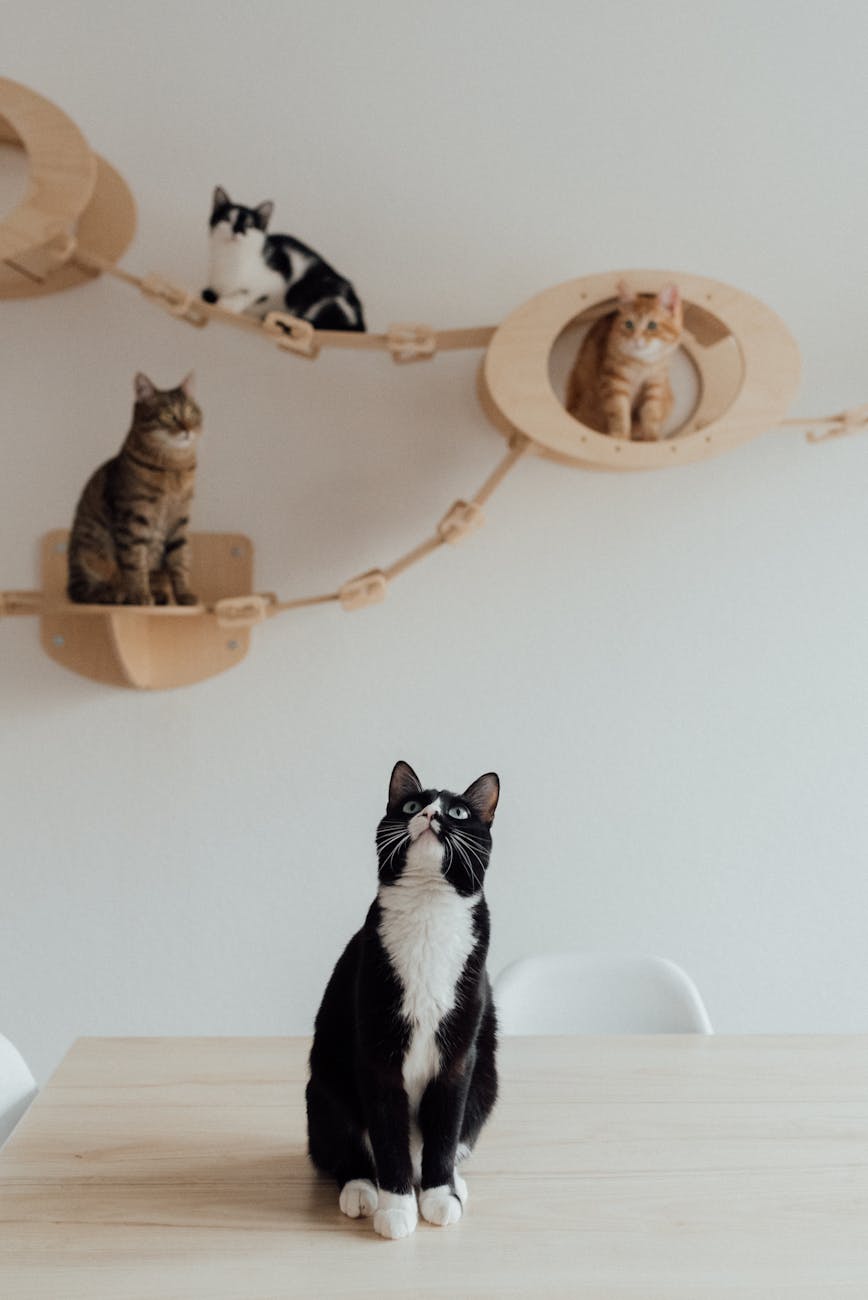
When their humans are away, cats rely on their sitters to provide comfort, care, and a sense of stability. Whether you’re a seasoned cat sitter or just starting out, knowing how to keep your furry clients happy and stress-free is a top priority. Cats are creatures of habit, so it’s all about creating an environment where they feel safe, stimulated, and loved. Here’s how you can ensure your feline charges stay content while their owners are off on their adventures.
Understand the Importance of Routine
Cats are creatures of habit, and even minor disruptions can leave them feeling unsettled. One of the most important things a sitter can do is stick closely to the cat’s established routine. Before the owner leaves, ask plenty of questions: What time do they eat? How often is the litter box cleaned? Do they enjoy playtime in the morning or evening? The more you know about their usual schedule, the easier it is to replicate it.
Don’t underestimate the little details either—if their water bowl is always placed in the kitchen’s left-hand corner, keep it there. These seemingly small consistencies can make a big difference in helping a cat feel safe and secure.
Create a Comforting Environment
Cats find comfort in familiarity, and maintaining a soothing environment is key to their happiness. Start by making sure their favourite spots are always accessible. Whether they love basking in the sun on the windowsill or curling up under the bed, allow them access to their go-to spaces.
If a cat seems to miss their owner, leaving a T-shirt or blanket with their scent can be a game-changer. Familiar smells are incredibly reassuring to cats and can help bridge the gap while their human is away.
Another tip is to leave a radio playing softly in the background. Quiet music or gentle voices can help create the illusion of human presence in an otherwise empty house. This can be especially comforting for cats who are used to bustling households or owners who chat with them regularly. Choose stations with calm music or talk programmes rather than loud, jarring sounds. A bit of background noise can make a home feel less lonely for your feline friend.
Finally, try to keep the home as calm as possible. Avoid loud noises, sudden movements, or moving their belongings. A tranquil atmosphere helps to minimise stress and keeps them feeling in control of their domain.

Keep Them Active and Engaged
Playtime is not just a fun distraction for cats—it’s essential for their mental and physical well-being. Many cats love interactive toys like feather wands, laser pointers, or jingly balls, which allow them to tap into their natural hunting instincts. Rotate toys regularly to keep things fresh and engaging, and consider hiding treats around the house for a playful scavenger hunt.
Puzzle feeders are another excellent option, especially for curious cats who enjoy a mental challenge. However, it’s important to pay attention to each cat’s personality. While some may thrive on energetic play sessions, others might prefer a slower pace. Always watch their body language and adjust accordingly to ensure playtime is enjoyable, not overwhelming.
Be Their Companion, Not Just Their Sitter
Cats may have a reputation for being independent, but they still need companionship. Spending time with them, even if it’s just sitting quietly nearby while they nap, can make a world of difference. For sociable cats, this might mean lots of chin scratches and interactive play. For shy or reserved cats, simply being present can help build trust and reassure them that they’re not alone.
It’s also important to be consistent with your visits. Arriving at the same time each day creates predictability, which is incredibly comforting to cats. This consistency can help ease their anxiety and ensure they don’t feel abandoned.
Stay Alert to Their Health and Needs
Cats are experts at hiding discomfort, so it’s essential to keep a close eye on their health and behaviour. Changes in appetite, excessive hiding, or unusual grooming patterns could indicate stress or illness. As a sitter, you’re the eyes and ears for the owner while they’re away, so don’t hesitate to reach out if something feels off.
Owners love updates, too. Sending a daily photo or message not only reassures them that their cat is in good hands but also gives you a chance to share any observations. These updates strengthen the trust between you and the owner, which is a crucial part of being a successful sitter.

Be Ready for Anything
No one wants to think about emergencies, but being prepared is part of being a responsible cat sitter. Before the owner leaves, make sure you have the vet’s contact details and an emergency plan in place. Discuss what to do if the cat becomes unwell or injured and get clear instructions for handling medications if they’re part of the routine.
Administering medication can feel daunting, especially if the cat is resistant. If you’re unsure about the process, ask the owner to demonstrate before they leave. Staying calm and confident during these moments will help the cat feel less stressed, making the experience easier for both of you.
A Happy Cat, A Happy Life
Ultimately, keeping a cat happy while their human is away is about creating a balance of comfort, routine, and engagement. Each cat is unique, with their own quirks and preferences, so take the time to observe and adapt to their needs. Whether you’re playing games with a lively kitten or quietly sitting with a shy senior, your presence and care can make all the difference.
As a cat sitter, you’re not just a caretaker—you’re a companion, a source of comfort, and a lifeline for both the cat and their owner. By keeping your feline clients happy and healthy, you’re providing a valuable service that brings peace of mind to everyone involved. And that is what it’s all about!
 Cat-Sitter.co.uk
Leave a comment